What is a Food Forest?
A food forest is a form of cultivation inspired by nature. It mimics the structure and functions of a natural forest, but is designed to produce food, medicine, firewood and other useful resources for people and other living beings. Instead of growing a single crop in rows, a food forest brings together a wide variety of plants that occupy different layers and interact with one another, creating a diverse and productive ecosystem.
Natural forests are complex, resilient ecosystems. They capture sunlight, build healthy soils, retain water, provide habitats and support an incredible diversity of life. A food forest takes inspiration from these processes and applies them to food production. Instead of growing a single crop in rows, it brings together a wide variety of plants that occupy different layers and interact with one another, creating a diverse and productive ecosystem.
Unlike a natural forest, however, people can choose which species to introduce and actively support the ecosystem during its establishment. The aim is to create a productive system that becomes increasingly self-sufficient, resilient and regenerative over time.
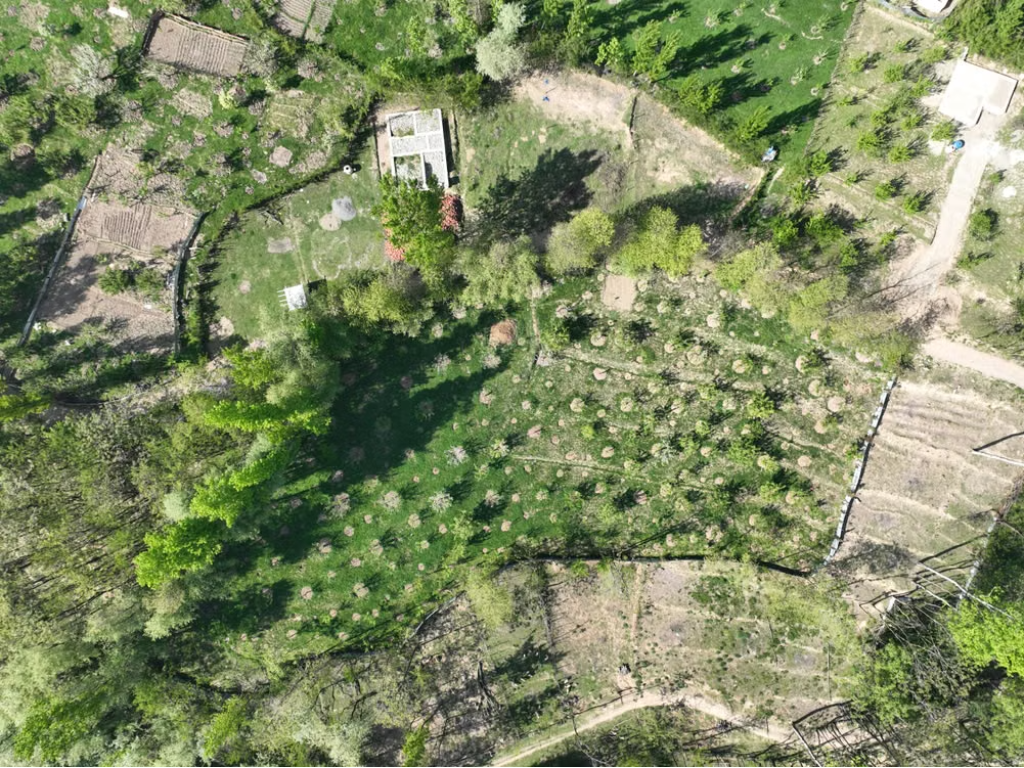
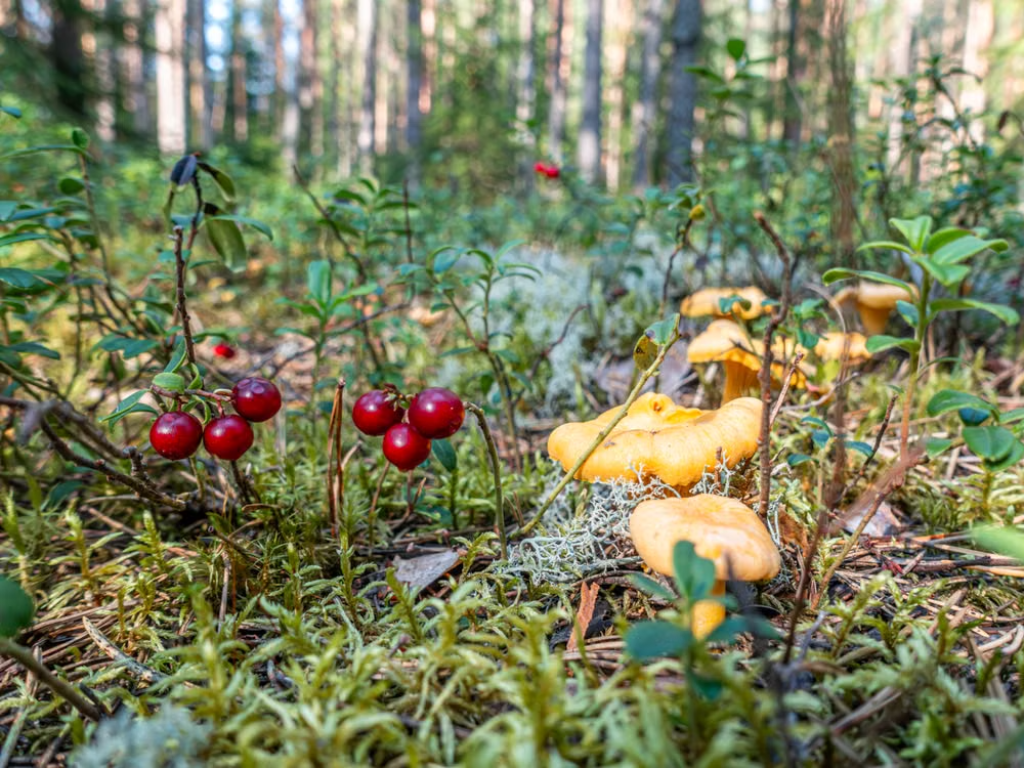
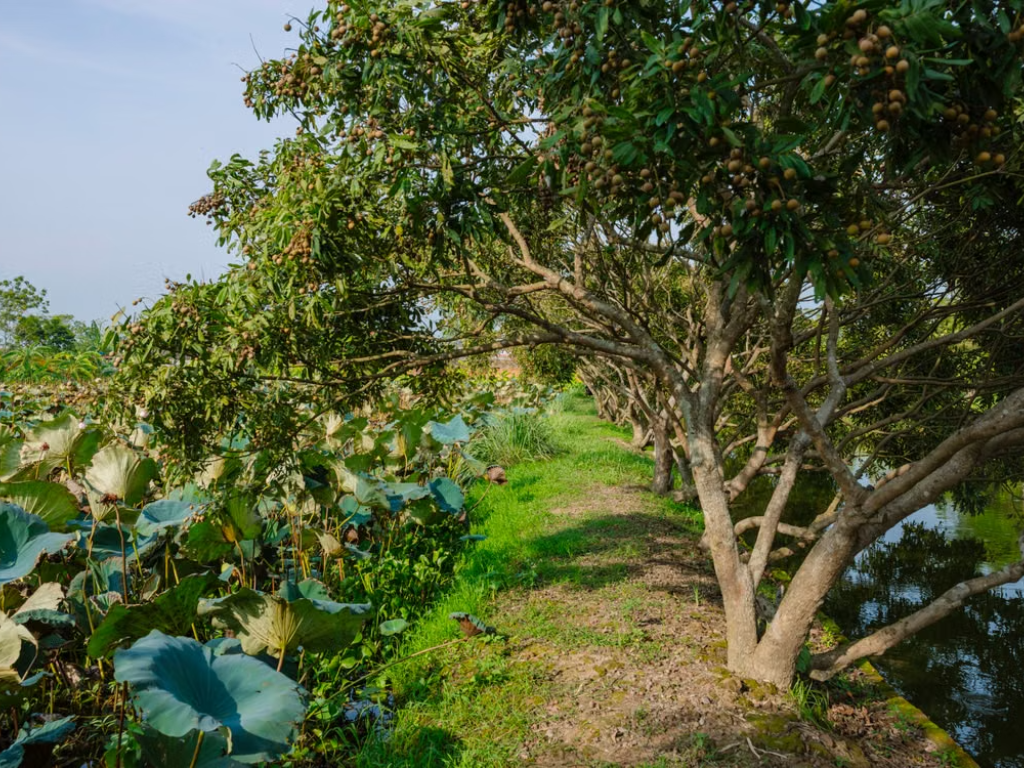
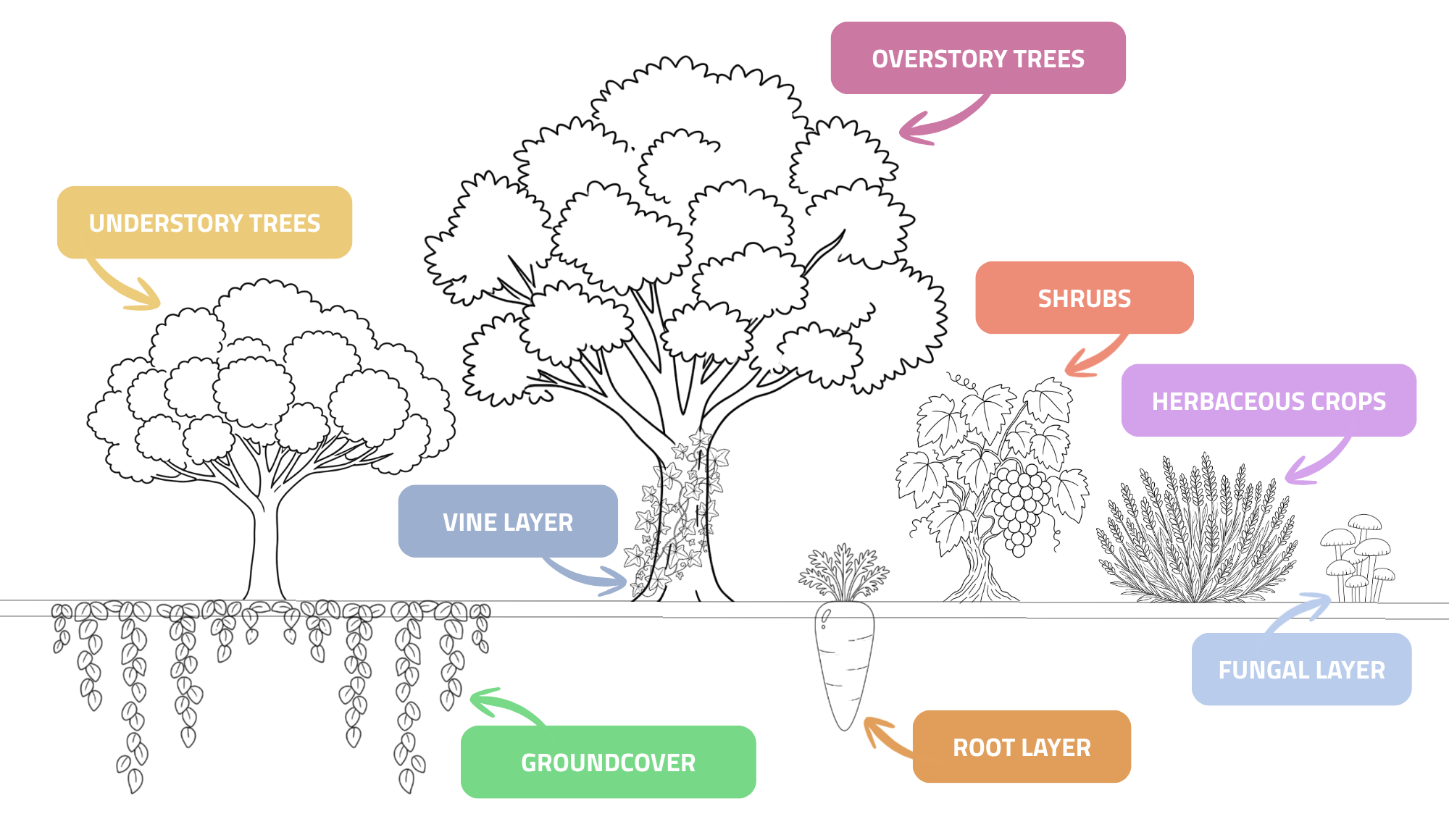
One of the characteristic features of a food forest is its multi-layered structure. Different plants grow at different heights and occupy different ecological niches. Together, these layers create a diverse ecosystem where plants can support one another and make efficient use of sunlight, water and space:
Overstory Trees: Tall trees, which provide shade to understory below
Understory Trees: Smaller fruit trees and other useful species
Shrubs: Berries, aromatic plants and other productive shrubs
Herbaceous Crop: Vegetables, herbs and flowering plants
Groundcover: Low-growing plants that protect the soil
Root Layer: Plants producing food and other resources underground
Vine Layer: Plants that use trees and other structures to grow upwards
Fungal Layer: Mushrooms and other mycelial life
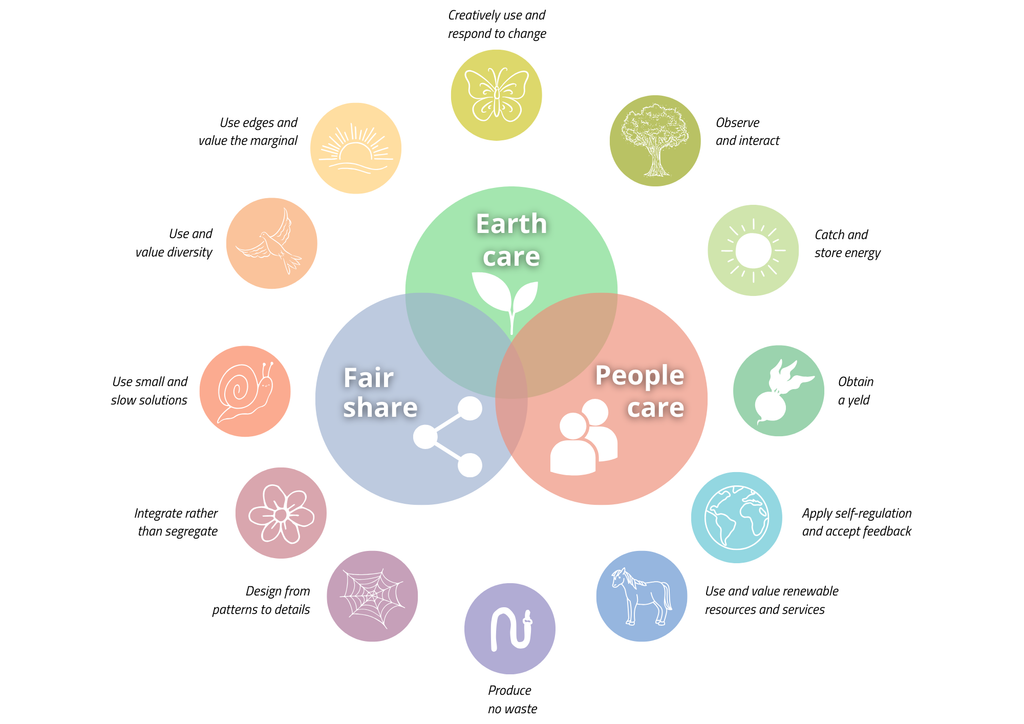
Food forests are often designed using permaculture principles: a way of planning and acting that seeks to meet human needs while caring for nature and other living beings. The goal is to create systems that are diverse, resilient, regenerative, productive, efficient, and people-centred.
A food forest can provide much more than food. It can help improve soil health, support biodiversity, create habitats, retain water, reduce erosion, increase resilience to climate change and reconnect people with nature and food production. When designed as a community space, it can also become a place for learning, research, social interaction and the recovery of traditional knowledge.

EIT Food is supported by the European Institute of Innovation and Technology (EIT), a body of the European Union