The Project
FOOD FOREST is a two-year European initiative running from 2025 to 2027 and funded by the EIT Food programme. It aims to promote food forests as an innovative approach to food production that can help address climate change, restore ecosystems and respond to the needs of people and communities. By combining food production, environmental regeneration, education, research and community participation, the project will explore how food forests can become resilient and sustainable spaces across Europe.
Under the coordination of the University of the Basque Country (EHU), 11 partners from Spain, Italy, Portugal and Estonia are collaborating across diverse climates, communities and local contexts to drive the transition towards more sustainable and resilient urban areas.
Two Community Food Forests have been established as pilot sites in Artajona, Spain, and Tallinn, Estonia. These forests will serve as practical examples of how food forests can be designed, managed and integrated into local communities. Building on these experiences, the project will support 15 additional food forests and lay the foundations for a European Network of Community Food Forests.
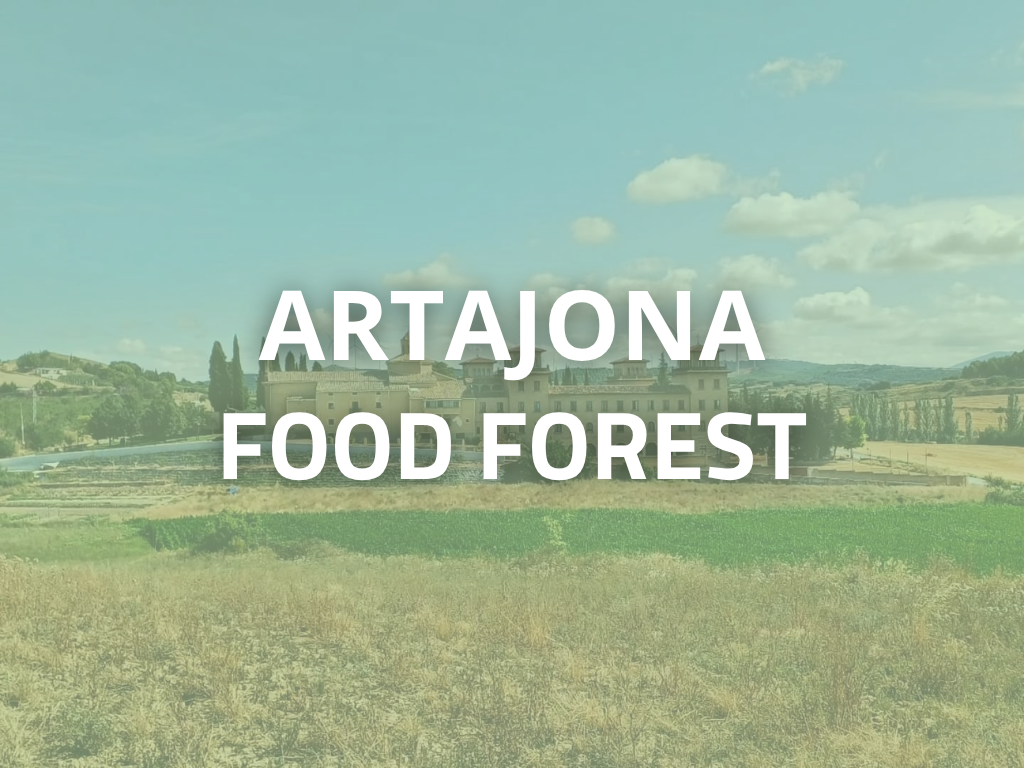
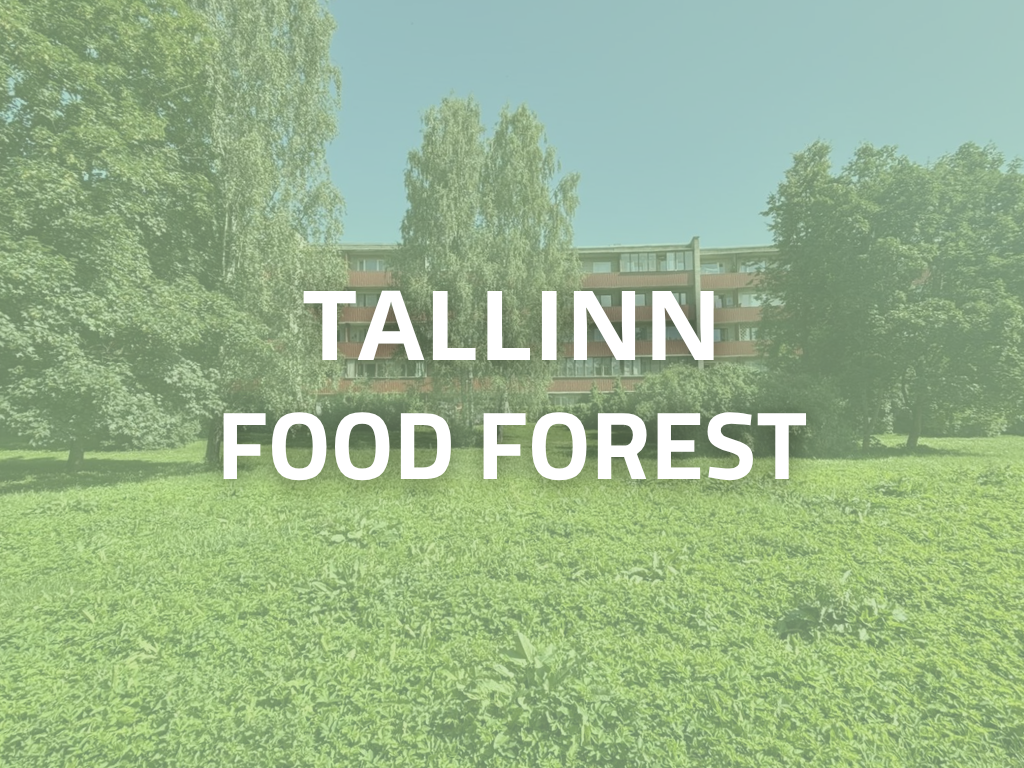
The Community Food Forests in Artajona and Tallinn will act as Living Labs and Educational Platforms, bringing together communities, students, researchers, farmers and other stakeholders to learn, experiment and collaborate. The future network will connect these pilot sites with 15 new forests and other initiatives, creating a European platform for knowledge exchange, research and hands-on learning.
Education, research and community participation
Education and community participation are at the heart of the project. The Community Food Forests will provide opportunities to learn about permaculture, sustainable food production, biodiversity, healthy eating and environmental care. Schools and vocational training centres will take part through practical activities, cascade education and small research projects, with students engaging as citizen scientists by collecting, analysing and sharing information with their communities.
Workshops and participatory activities will also bring the wider public into the food forests, encouraging knowledge exchange and strengthening local communities. Particular attention will be given to traditional knowledge of edible and medicinal plants, connecting local heritage with new approaches to sustainability.
Building a viable model for the future
The project will also explore the potential of food forests as a viable and sustainable model of food production for farmers. By engaging farmers, consumers, retailers, policymakers and other stakeholders, FOOD FOREST will identify barriers to adoption and explore the changes needed to overcome them. The findings will contribute to recommendations for policymakers and help create better conditions for food forests to become a realistic option for European agriculture.
Sharing knowledge and inspiring change
FOOD FOREST will share its experiences and results at local, national and international levels through educational resources, workshops, scientific publications, conferences, social media and audiovisual content. A 30–40 minute documentary will tell the story of the project and its communities, while shorter videos and accessible materials will help introduce the concept of Community Food Forests to wider audiences and inspire new initiatives across Europe.

EIT Food is supported by the European Institute of Innovation and Technology (EIT), a body of the European Union