Tuesday, October 13 2026
Open to All: Community at the Heart of the Project
In the FOOD FOREST project, the community is at the heart of the initiative. Communication and transparency are essential to building trust and bringing people together. The project seeks to empower citizens and community stakeholders with the knowledge, skills and confidence needed to take an active role in shaping its future. Through ongoing hands-on learning opportunities and shared decision-making processes, the aim is to foster a genuine sense of ownership and stewardship. By fostering active participation, collaboration and shared responsibility for its care and development, the project aims to create thriving and resilient food forests, giving true meaning to the concept of community-managed food forests.
To this end, a wide range of events and activities are organised to invite citizens, community groups and organisations to engage with the project and become part of its day-to-day life. These activities range from project presentations and information sessions to public lectures, educational activities, volunteering days, and co-design sessions, all aimed at facilitating and promoting learning, participation, and collaboration.
In Italy and Portugal, where the establishment and implementation of food forests is planned for a later phase of the project, direct engagement has focused primarily on interviews and meetings to identify key actors and stakeholders and better understand local needs, challenges and opportunities. Meanwhile, in Spain and Estonia, where the pilot forests are already in place, face-to-face initiatives have proven to be an effective way of bringing the project closer to the people it aims to serve.
Artajona, Spain
Visit to the community of Artieda (Navarre). Visit to learn about its sociocratic governance model and facilitate knowledge exchange between communities.
Visit to the ‘Parque de los Sentidos de Noain’ (Park of the Senses of Noain). This visit was made with the intention of seeing other successful projects and looking for interesting ideas that could be replicated in Artajona.
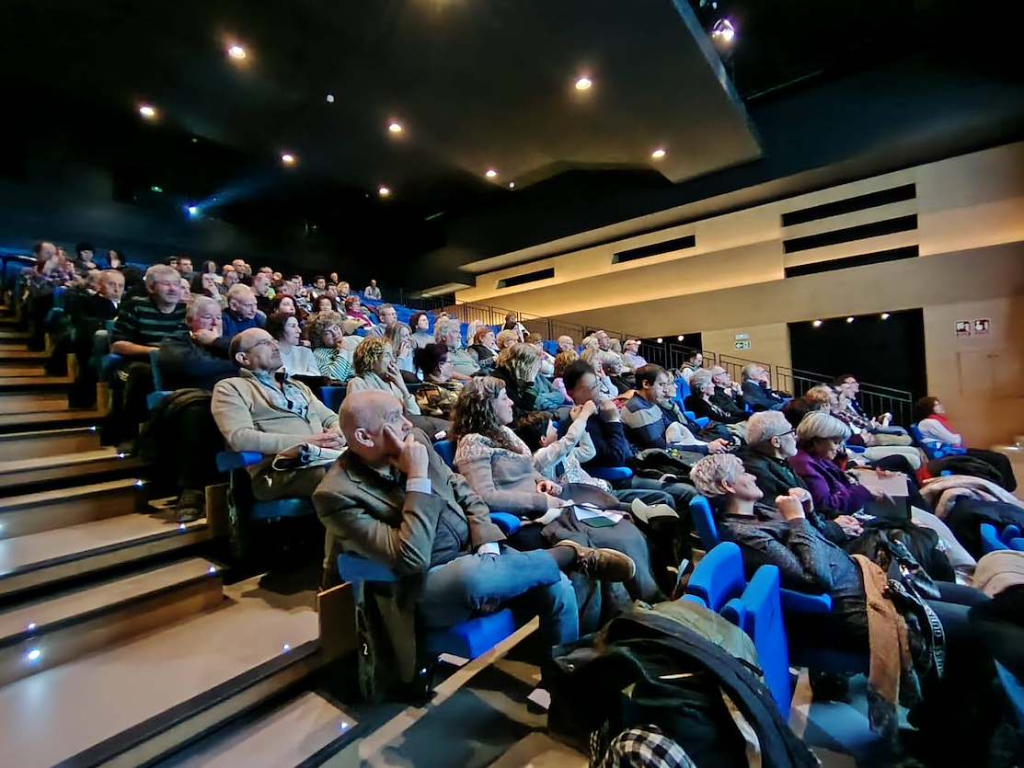
Explanatory talk about the project. A general explanation of the European project was given, followed by an explanation of the actions that have been carried out in Artajona since the project began.
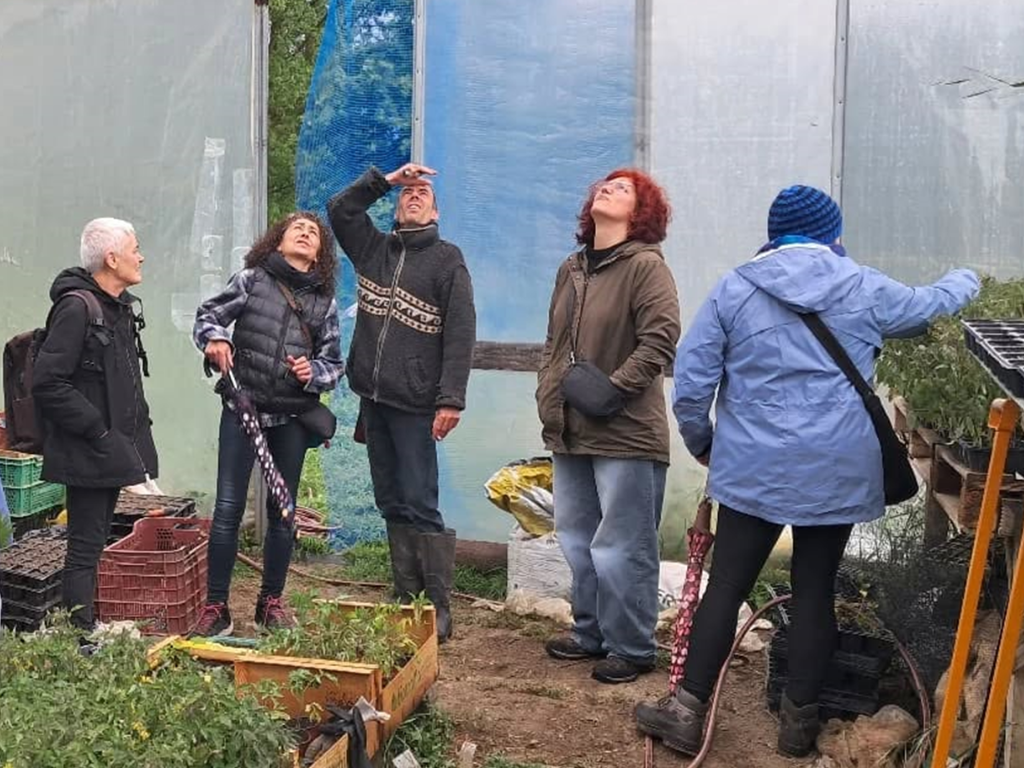
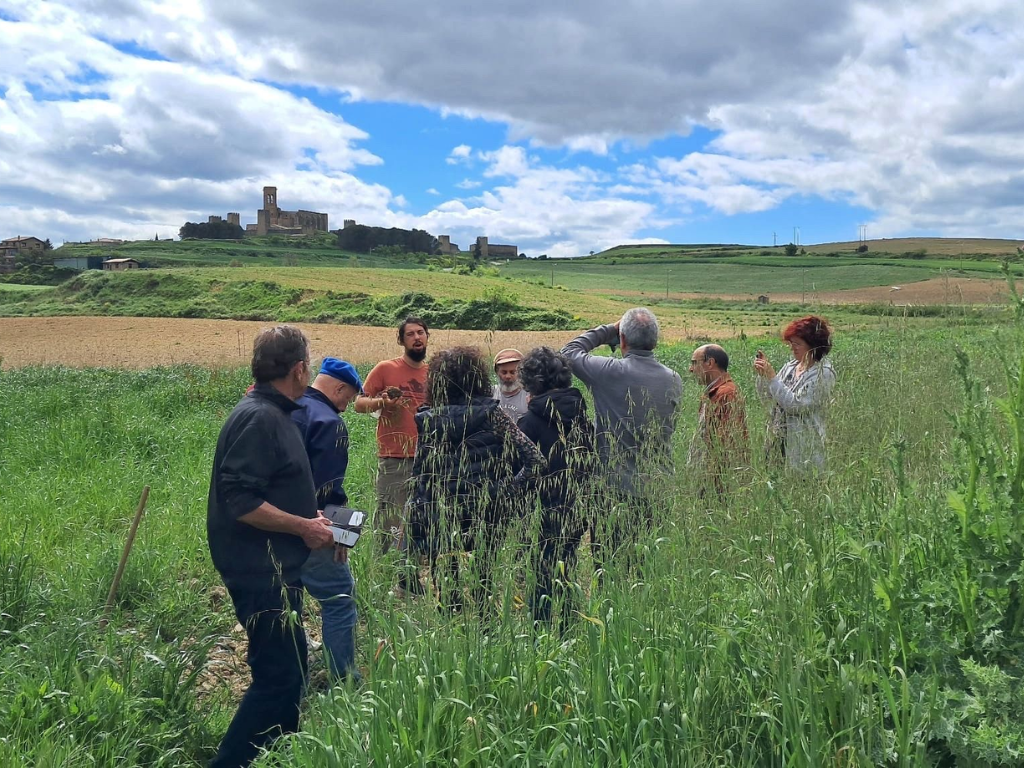
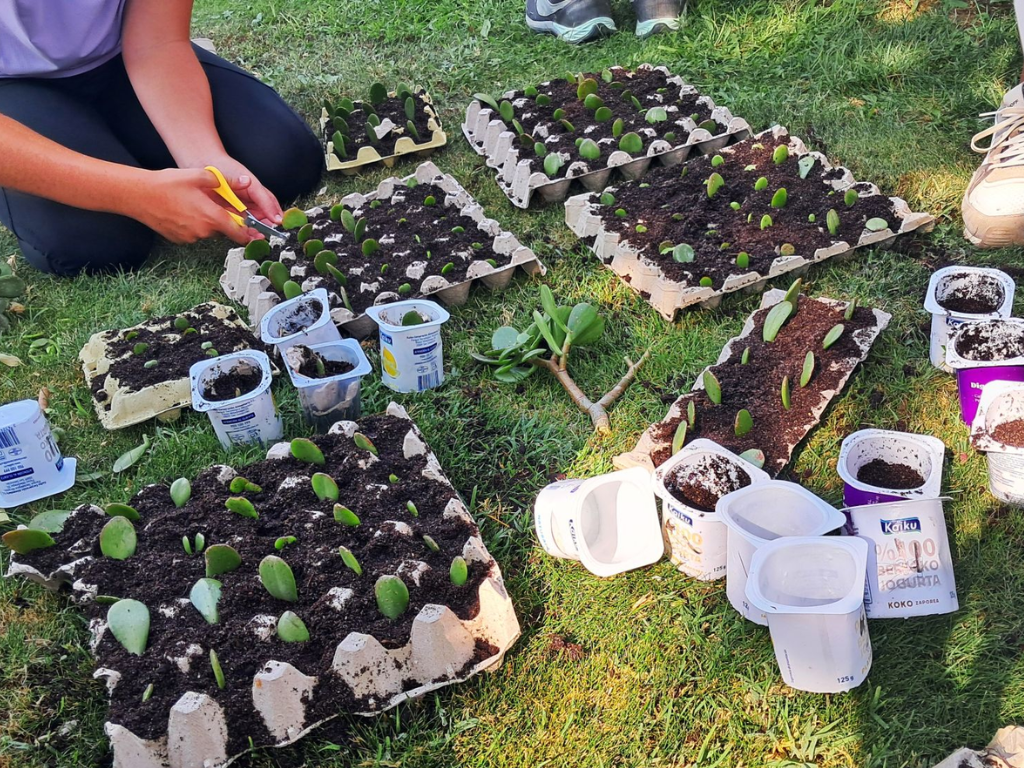
Soil sampling with volunteers and volunteer days: Over 200 trees were planted in the Artajona Food Forest
Project presentation to the Artajona Seniors’ Centre (Jubiloteca): Claudia Pennese (RB3) and Isabel Guevara Fernández (EHU) had the opportunity to spend the morning with the Artajona senior citizens’ club.
Tallinn, Estonia
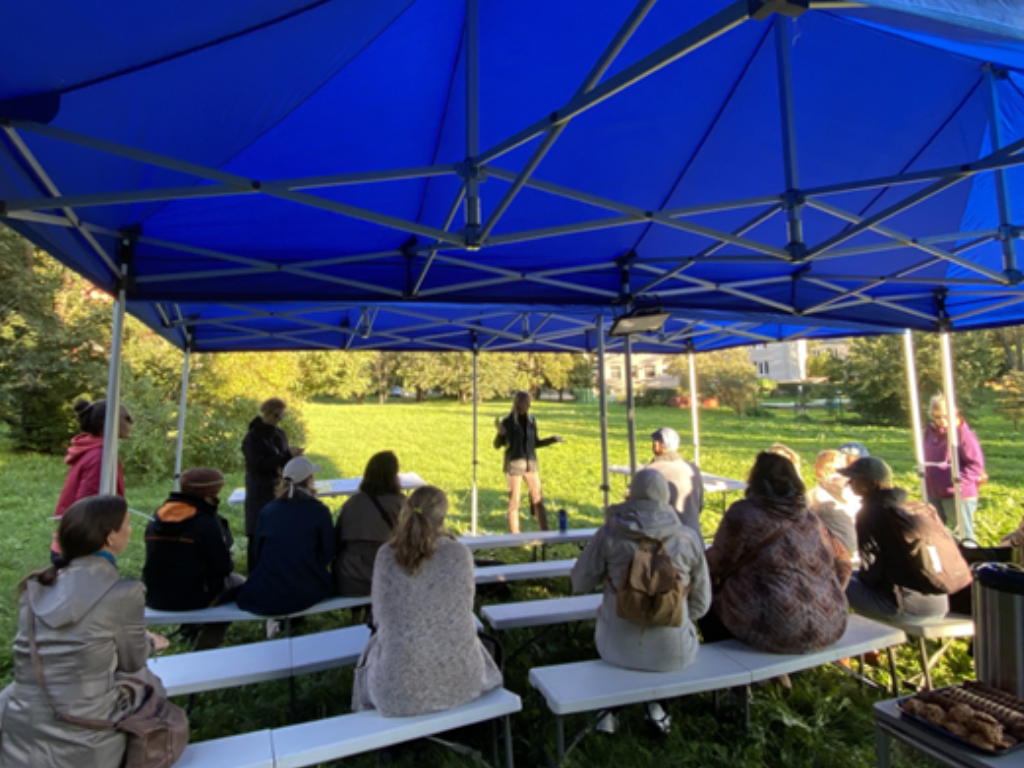
Urban gardening Experience exchange Day: Presentation by Maria Derlõš ‘Overview of urban gardening in Tallinn’. During the presentation an introduction of the FF project was made, as well as a press release for the overall event
Tallinn Food Forest co-design event.
Is food grown in the city safe?: Introduction to the Tallinn urban gardens study
Introduction to the food forests: Participants in the ‘Trainers training’ programme delivered introductory sessions on Community Food Forests to people unfamiliar with the topic
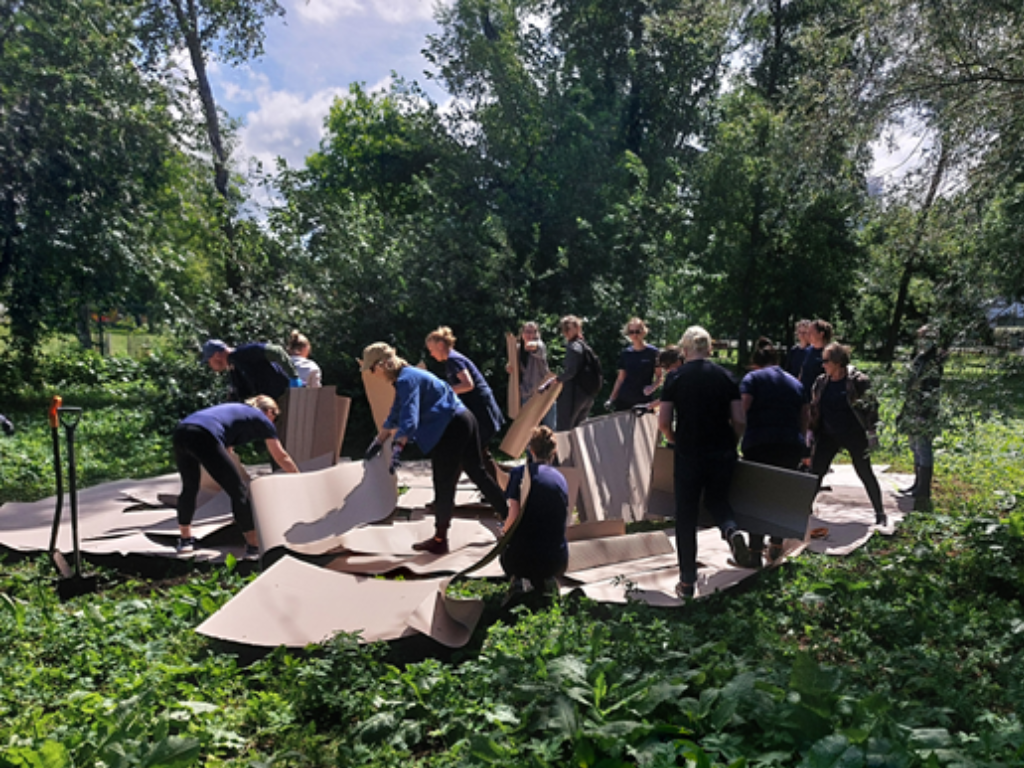
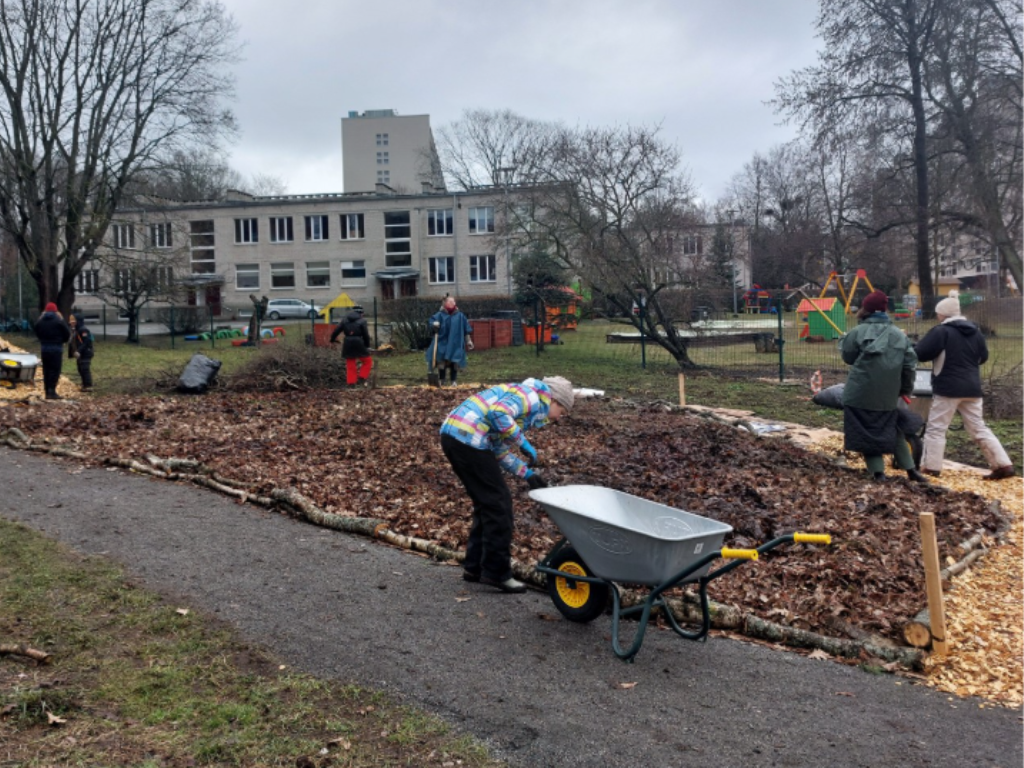
Practical days – establishing CFF: Series of activities to prepare for and establish the Community Food Forest
Public event to establish new guild in CFF and to introduce the project and activities so far : Series of activities to prepare for and establish the Community Food Forest
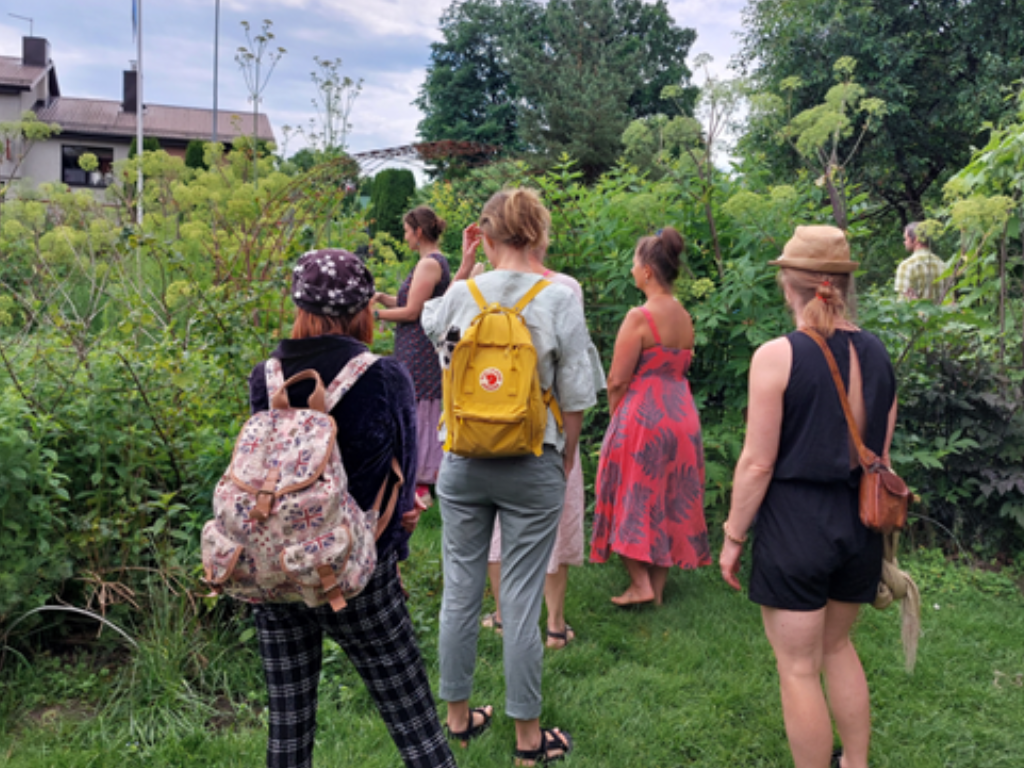
Wild plant trip and common cooking (in Estonian)
Public event to plant additional plants into CFF and to introduce the project and activities so far
Wild plant trip and common cooking (in Russian)
Visiting food forests at Türi

EIT Food is supported by the European Institute of Innovation and Technology (EIT), a body of the European Union